Property maintenance in the Upper Midwest presents unique challenges due to the region's volatile weather patterns. According to the National Weather Service, Minnesota experiences an average of 20 to 30 days of severe weather annually, including heavy snow loads and high winds. These conditions place immense stress on urban canopy trees, often leading to structural weaknesses that require immediate professional intervention. Ignoring these early warning signs can result in costly property damage or personal injury. This guide outlines the critical indicators that your trees require expert attention from certified arborists in St. Paul, MN.
Identifying Structural Weakness and Branch Drop
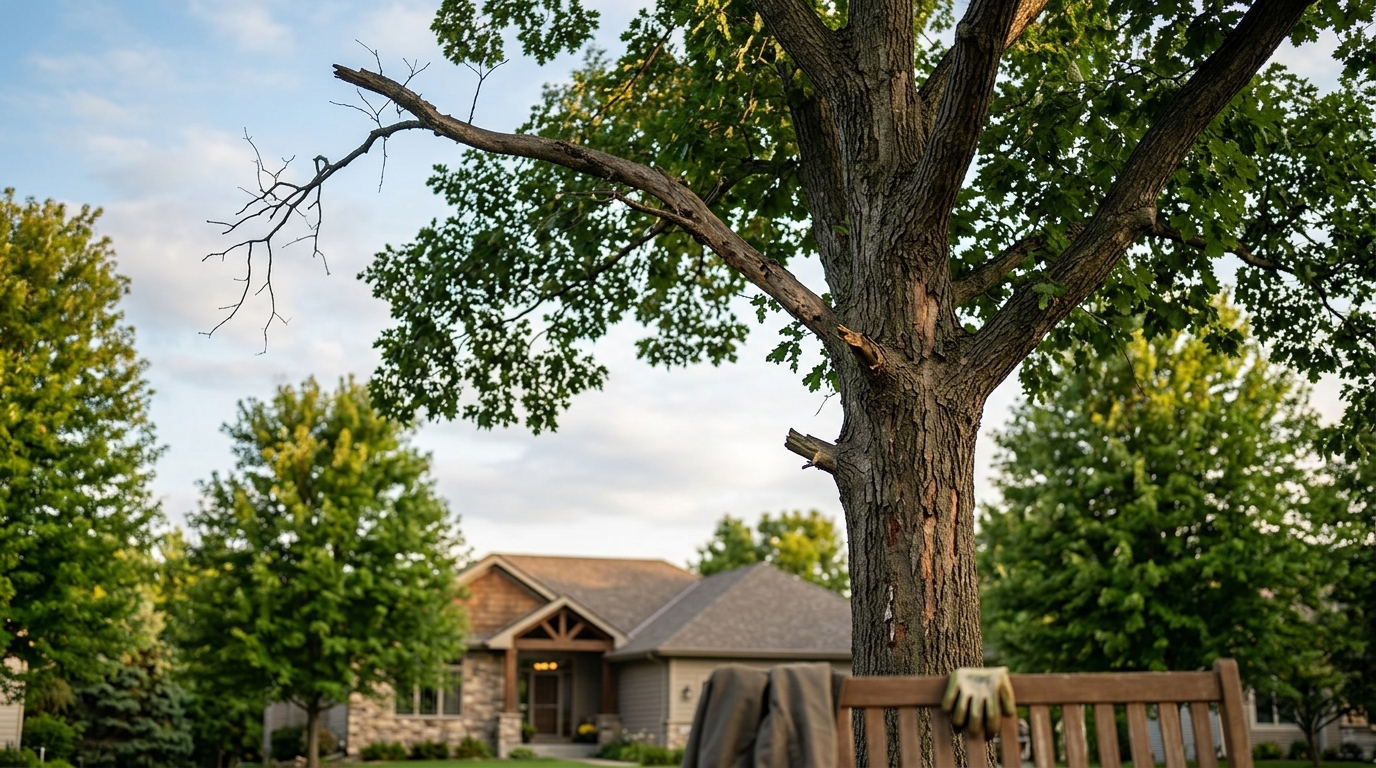
One of the most immediate signs that a tree needs professional trimming is the presence of dead or dying branches. These branches, often referred to as "widowmakers," pose a significant hazard to homeowners and pedestrians. Deadwood is brittle and lacks the tensile strength of healthy wood, making it prone to sudden failure during wind events. When you observe large limbs hanging precariously over your roof, driveway, or sidewalk, it is time to call for professional assessment.
Beyond dead branches, look for signs of structural weakness. This includes cracks in the trunk, splitting limbs, or branches that grow directly into the crotch of the tree. These defects create weak points where stress concentrates. If you notice emergency tree service needs arising from storm damage, it is often because these structural flaws were ignored until a critical failure occurred. Regular pruning helps remove these weak points before they become catastrophic.
Another indicator is the presence of epicormic sprouting. This occurs when a tree produces vigorous vertical shoots from its trunk or older branches. While this can be a natural response to stress, excessive sprouting often indicates that the tree is struggling to photosynthesize due to poor health or overcrowding. Professional trimming can help redirect the tree's energy into healthier growth patterns.
Recognizing Disease and Pest Infestation Signs
Trees are susceptible to various diseases and pests that thrive in the St. Paul climate. Discolored leaves, premature leaf drop, or fungal growth on the bark are clear signs that a tree is under attack. Early detection and removal of infected branches can prevent the spread of disease to neighboring trees. For example, Oak Wilt and Dutch Elm Disease are prevalent in Minnesota and can spread rapidly through root grafts or insect vectors.
Pest infestations also manifest through visible signs. Look for bore holes in the bark, sawdust-like frass, or unusual webbing. If you suspect a pest issue, it is crucial to consult with a certified arborist who can identify the specific threat and recommend appropriate treatment or removal strategies. At Midwest Tree Removal, our team is trained to diagnose these issues accurately and provide tailored solutions.
Additionally, check for cankers, which are sunken or dead areas on the bark. Cankers can be caused by fungi, bacteria, or physical injury. If a canker girdles the trunk, it cuts off the flow of nutrients and water, leading to branch dieback. Professional trimming can help remove infected tissue and promote healing, but severe cases may require complete removal to protect the rest of your landscape.
Assessing Interference with Utilities and Structures
Trees that grow too close to power lines, buildings, or fences require regular maintenance to prevent damage. Branches rubbing against power lines can cause short circuits, fires, or power outages. According to industry standards, trees within 10 feet of power lines should be maintained by utility-trained arborists to ensure safety. Contacting your utility provider or a professional tree service is essential for this type of work.
Interference with structures is another common issue. Branches touching your roof can damage shingles and gutters, while roots growing under foundations can cause structural shifts. If you notice your tree growing into your home or garage, it is time to consider professional tree trimming or removal. Proper pruning techniques can guide growth away from structures, but sometimes removal is the only viable option.
Furthermore, consider the clearance for pedestrian and vehicle traffic. Overhanging branches that block sidewalks or driveways create safety hazards and liability risks. Ensuring adequate clearance is not just about aesthetics; it is about maintaining a safe environment for your community. Our team provides land clearing and grading services to ensure your property remains accessible and safe.
Evaluating Canopy Density and Light Penetration
Overgrown trees can block sunlight from reaching your lawn and garden, leading to patchy grass and poor plant health. If you notice your yard becoming increasingly shaded despite the season, your trees may be too dense. Proper thinning of the canopy allows light to penetrate deeper into the landscape, promoting healthier undergrowth. This process also improves air circulation, which reduces the risk of fungal diseases.
Another sign of excessive density is the presence of weak, spindly branches that cannot support their own weight. These branches are prone to breaking under snow or ice loads. By removing these weak limbs and thinning the canopy, you strengthen the tree's overall structure. This type of maintenance is particularly important for large shade trees like oaks and maples, which are common in St. Paul neighborhoods.
Additionally, consider the aesthetic balance of your landscape. A well-proportioned tree enhances the beauty of your property, while an overgrown one can look unkempt and neglected. Professional trimming helps maintain the natural shape and form of the tree, ensuring it remains a valuable asset to your landscape.
Understanding Safety Protocols and Liability
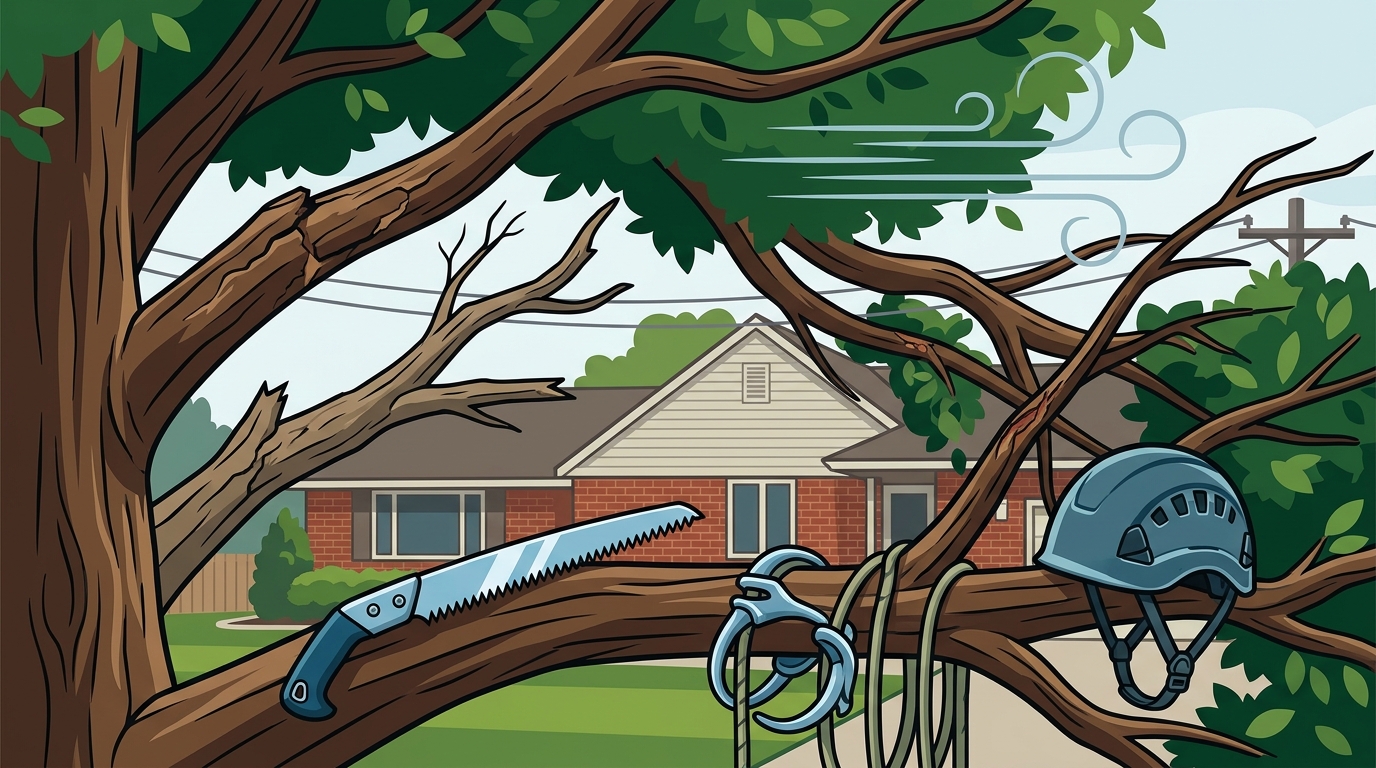
Tree work is inherently dangerous. According to the Occupational Safety and Health Administration (OSHA), tree care is one of the most hazardous industries in the United States. Attempting to trim large trees without proper training and equipment can result in serious injury or death. This is why it is crucial to hire licensed and insured professionals for any significant trimming work.
Liability is another critical factor. If a tree falls on your neighbor's property or a passerby due to your negligence, you could be held financially responsible. Professional tree services carry insurance that protects both the homeowner and the workers. When you hire Midwest Tree Removal, you are ensuring that your property is maintained to the highest safety standards.
Furthermore, local regulations in St. Paul may require permits for certain types of tree work, especially for heritage or protected species. Our team is familiar with these regulations and can guide you through the process. We ensure that all work is compliant with local codes, saving you from potential fines and legal issues.
Key Takeaways
- Deadwood Hazard: Dead or dying branches pose a significant risk of falling and should be removed immediately by professionals.
- Disease Management: Early detection of pests and diseases through visual inspection can prevent widespread damage to your landscape.
- Utility Clearance: Trees within 10 feet of power lines require specialized maintenance to prevent outages and fires.
- Light Penetration: Thinning the canopy improves light access to your lawn and reduces humidity-related fungal issues.
- Safety First: Tree work is hazardous; always hire insured, certified arborists to mitigate liability and injury risks.
- Structural Integrity: Regular pruning strengthens trees against wind and snow loads, extending their lifespan.
- Local Expertise: Midwest Tree Removal has over ten years of experience serving St. Paul, MN, with certified arborists.
Frequently Asked Questions
How often should trees be trimmed in St. Paul?
Most trees benefit from trimming every three to five years. However, young trees may require annual pruning to establish structure, while mature trees might need less frequent maintenance. Storm-damaged trees require immediate attention regardless of the schedule.
What is the difference between pruning and trimming?
Pruning involves the selective removal of branches to improve health, structure, or safety. Trimming often refers to the reduction of size or density for aesthetic purposes. Both are essential services provided by Midwest Tree Removal.
Can I trim my own trees?
Minor pruning of small branches is safe for homeowners. However, any work involving ladders, power lines, or large limbs should be left to professionals. The risk of injury and property damage is too high for DIY attempts.
What are the signs of a dying tree?
Signs include significant leaf loss, bark peeling, fungal growth, and dead branches. If more than 50% of the canopy is dead, the tree may be beyond saving and should be evaluated for removal.
Do you offer emergency tree services?
Yes, we provide 24/7 emergency tree service for storm damage and hazardous situations. Call us immediately if a tree has fallen or poses an immediate threat to your property.
How do I get a quote for tree trimming?
You can request a free quote by contacting us online or calling 651-401-8182. Our team will assess your property and provide a detailed estimate for the required work.
Is tree trimming covered by insurance?
Standard homeowners insurance typically covers damage caused by falling trees but not routine maintenance. However, if a tree falls due to neglect, your policy may deny the claim. Regular trimming helps maintain coverage validity.
Contact Midwest Tree Removal
Do not wait for a storm to reveal the weaknesses in your trees. Proactive maintenance is the key to preserving the health and beauty of your landscape. If you have noticed any of the signs discussed in this article, it is time to take action. Contact Midwest Tree Removal today for a free consultation and quote. Our certified arborists are ready to help you protect your property and ensure the safety of your family. Call 651-401-8182 or visit our contact page to schedule your service.